Owl senses
Look past the stare and listen for the clues.
Before you jump in
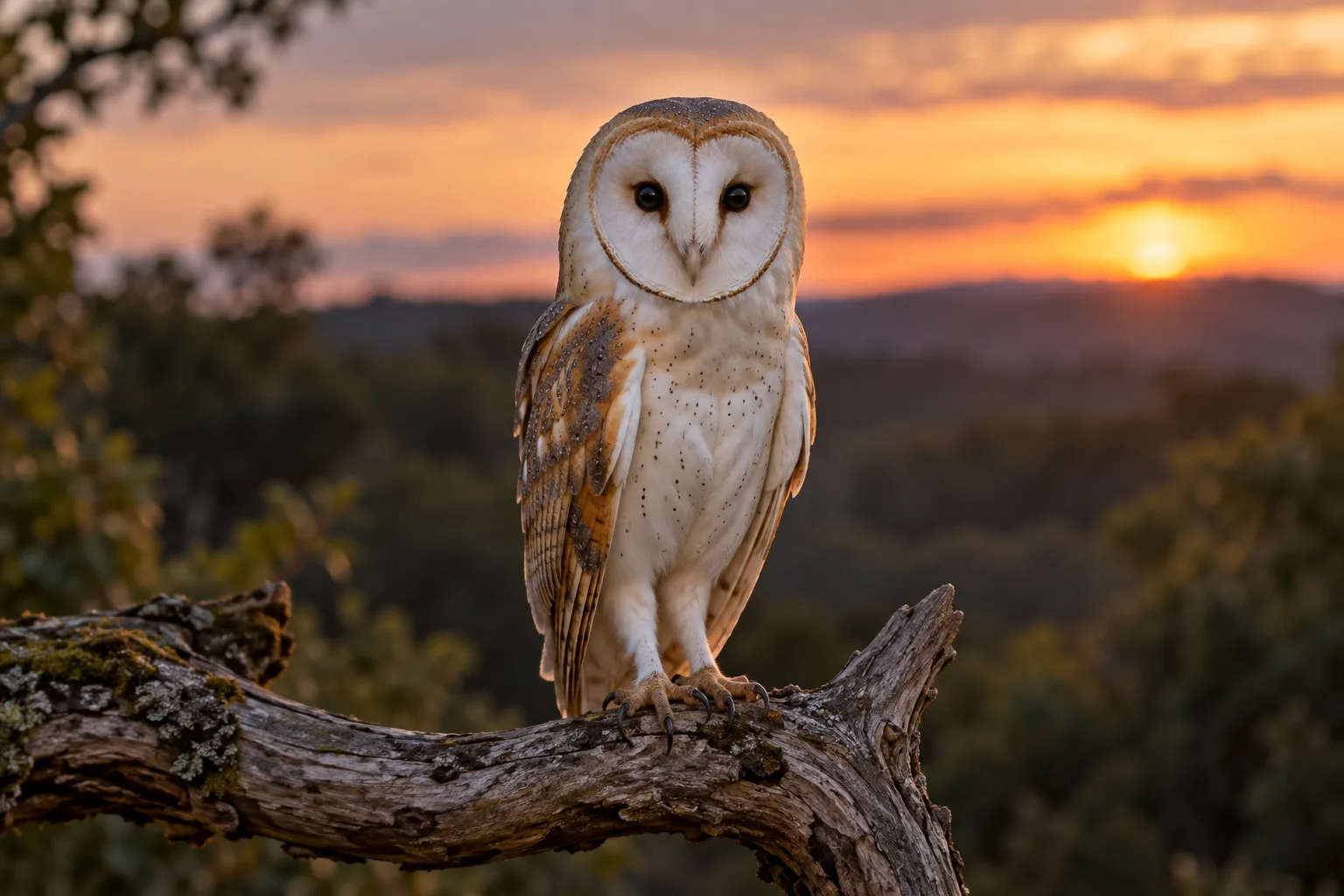
An owl on a branch can seem almost motionless, yet its next meal may depend on details that a passing person never notices. A face, a feather, and the remains beneath a roost each offer a different clue. This quiz explores how those pieces fit together, moving from familiar owl features to the evidence researchers use when studying a hunter that is often difficult to watch.
You will compare senses, think about the challenges of finding prey, and decide what can actually be learned from a physical trace. Some questions concern owls broadly; others name a particular species so that a useful example does not become a rule for every owl. There are no population estimates or speed records to memorize. Bring a willingness to distinguish a feature’s appearance from its function, and to read an observation without claiming more than it can show.
What you’ll explore
- Hearing and low-light vision
- Feathers and hunting
- Pellets as dietary evidence
Explain how owl traits support hunting and what remains can reveal about meals.
What does calling an American Barn Owl nocturnal mean?
This is the opening question. Start the round to see the choices and test your answer.