The reading room.
Real-world wonders. Fictional mysteries. A little more to get lost in.
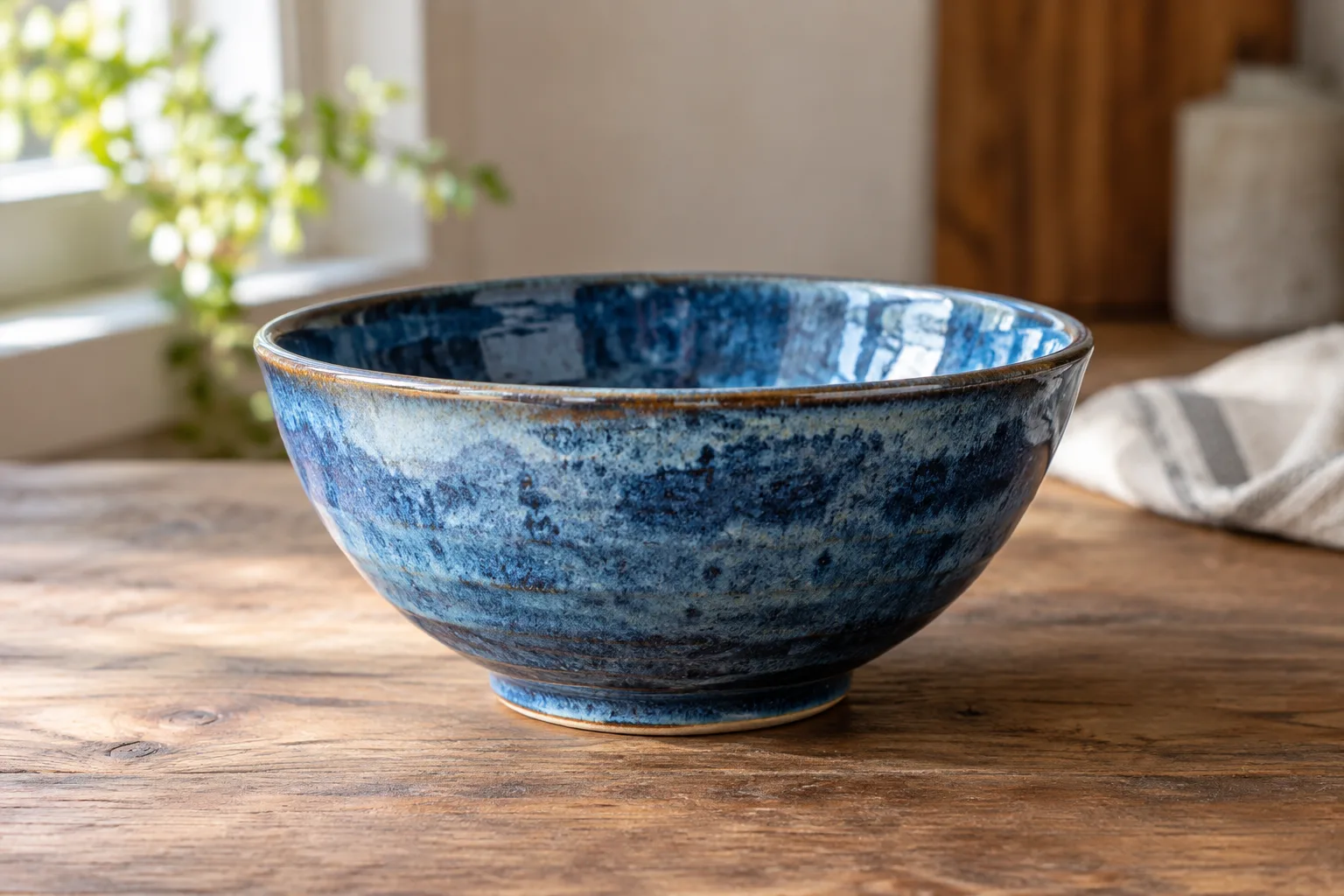
The bowl that could not be clay again
Dry clay and fired pottery can both feel hard. The difference is what happens next.
3 chapters · Read the story →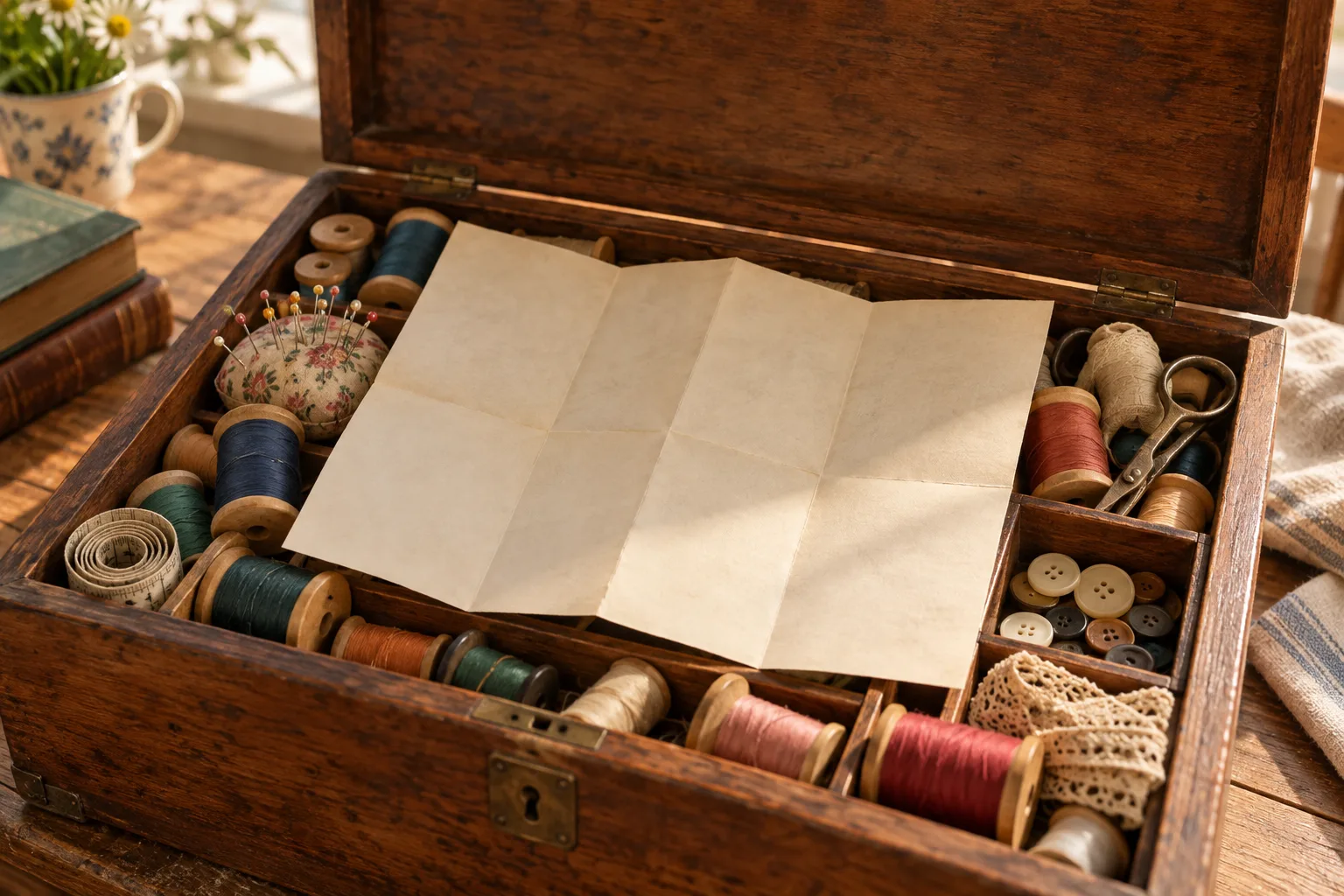
The map inside the sewing box
An original fictional mystery about a route that went nowhere until someone stopped walking.
3 chapters · Read the story →
The window that kept a seat
An original fictional mystery about an empty chair, a stubborn instruction, and the light nobody had measured.
3 chapters · Read the story →
The cloud that was still changing
A cloud can keep its place while air moves through it. The distinction reveals something easy to miss about the sky.
3 chapters · Read the story →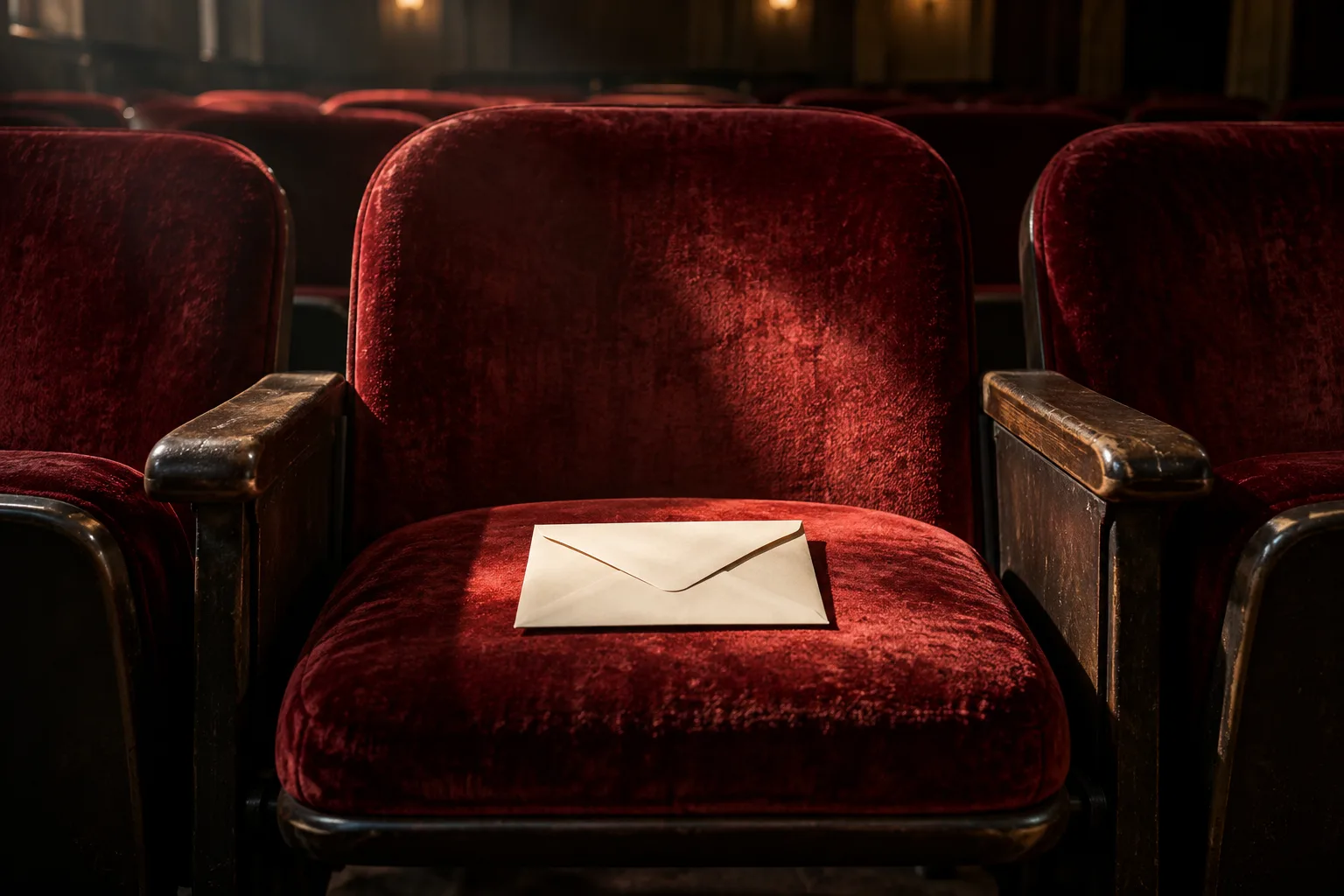
The envelope under seat nine
An original fictional mystery: a theater volunteer finds an unfinished message in a seat scheduled for removal.
3 chapters · Read the story →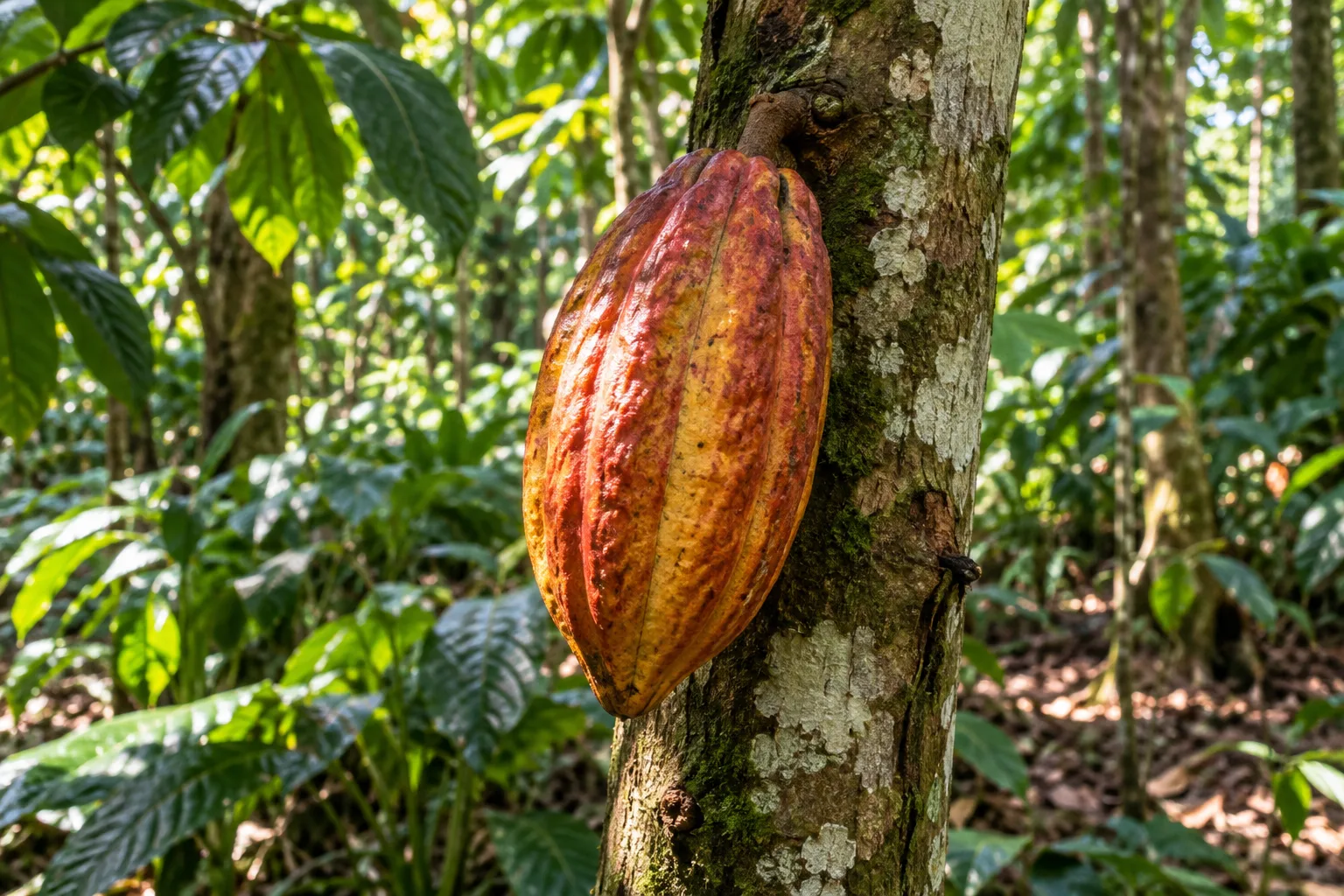
The fruit before the chocolate
The journey from cacao flower to chocolate begins long before a factory—and every stage has a different job.
3 chapters · Read the story →
The red scarf in the repair shop
An original fictional mystery: three customers recognize the same repaired scarf, but none tells the same story.
3 chapters · Read the story →
The staircase with a spare step
An original fictional mystery: a house inventory lists fourteen stair treads, but the staircase has only thirteen.
3 chapters · Read the story →
The years inside the wood
How a small sample of wood becomes a timeline—and why reading it takes more than counting circles.
3 chapters · Read the story →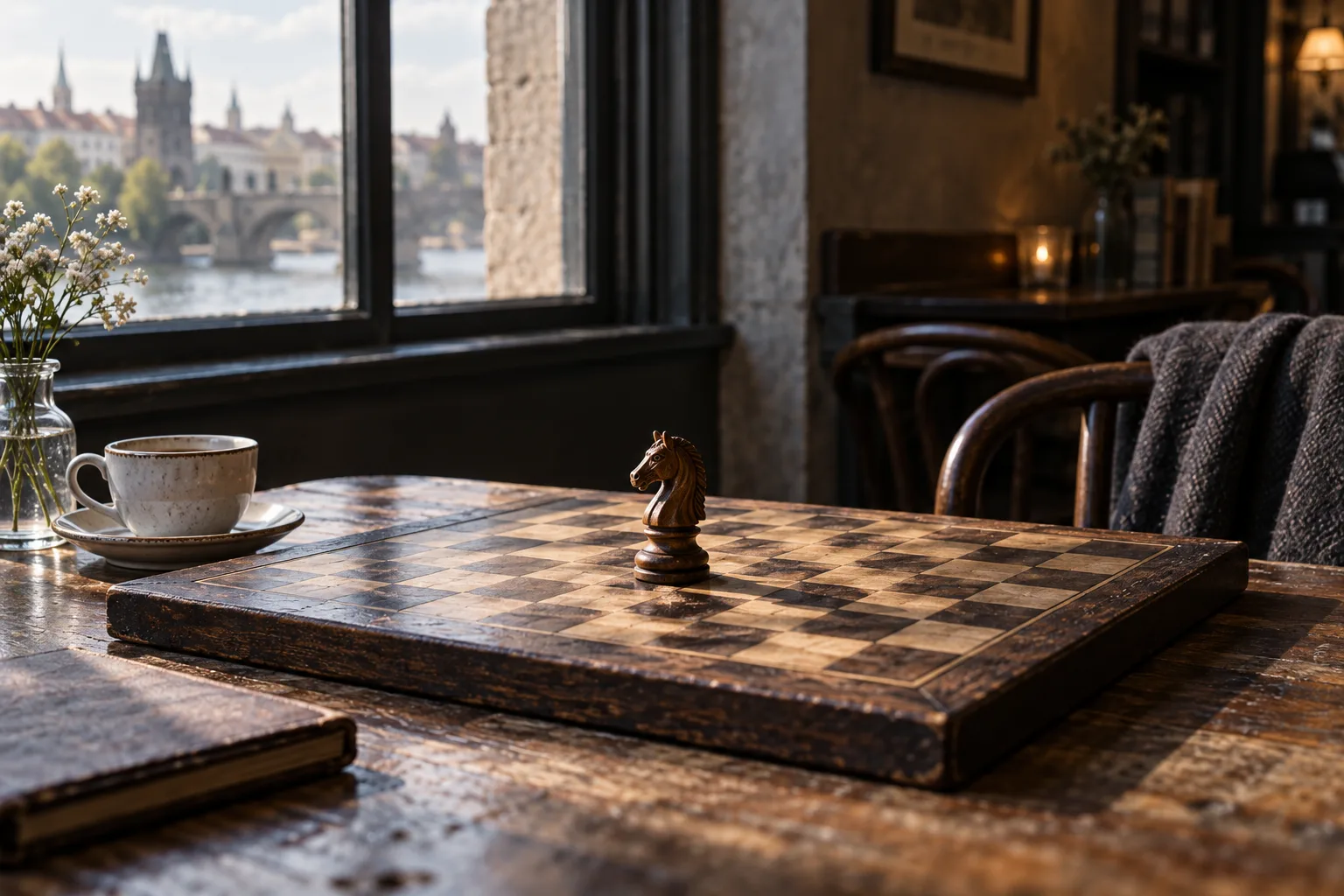
The chessboard’s empty square
An original fictional mystery: a cafe owner finds a single knight moved every morning, but the pattern is not a game.
3 chapters · Read the story →
The hill made of moving grains
A dune can keep a familiar outline while wind rearranges its smallest parts.
3 chapters · Read the story →
Where fresh water meets the sea
An estuary is a changing meeting place, not a fixed line between two kinds of water.
3 chapters · Read the story →Know what you’re reading.
Factual features link to their sources. Fictional mysteries are labeled on every chapter. Articles are created with AI assistance; generated pictures are illustrations, not documentary evidence.