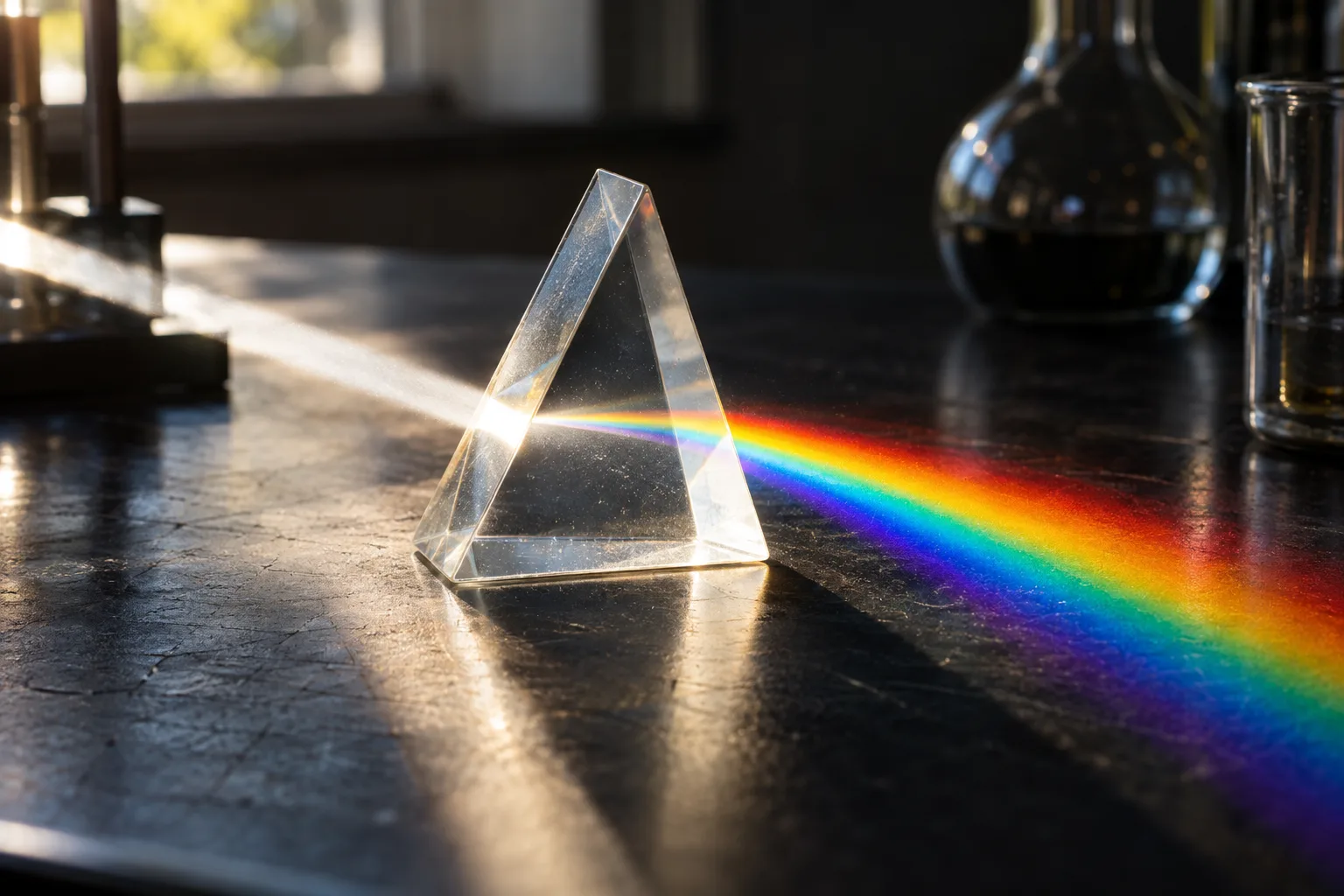
Telescope thinking
Follow the light from a backyard scope to Webb.
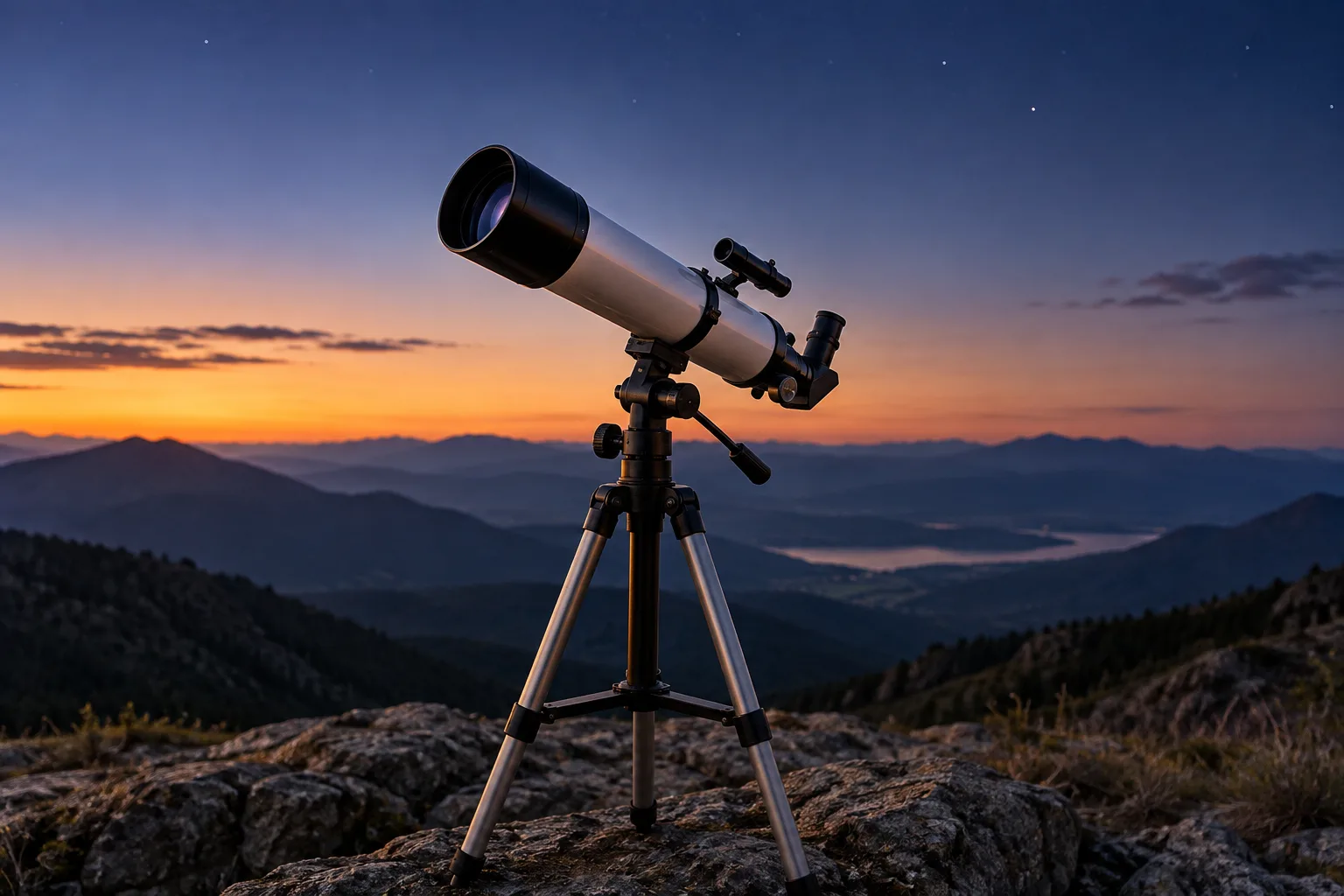
Before you jump in
A telescope points at the sky, but its most interesting decisions happen along the path that light takes inside it. A lens, a mirror, and a carefully chosen surface can turn a faint arrival into something an observer can study. This quiz begins with familiar optical designs before moving toward instruments that investigate parts of the universe our eyes cannot see.
You will compare ways to collect light, reason through a small geometry example, and consider why a space observatory needs more than an impressive mirror. The questions build toward the connection between an instrument's design and the kind of signal it is trying to detect. No equipment shopping or complicated calculations are involved. Picture yourself tracing a beam through the system and asking what each part contributes. That habit makes both a backyard telescope and a major observatory a little less mysterious.
What you’ll explore
- Lenses, mirrors, and collecting area
- Radio and infrared observations
- Webb's mirrors and thermal protection
Connect telescope design choices with the light an observatory needs to collect.
What is a fundamental job of a telescope's main lens or mirror?
This is the opening question. Start the round to see the choices and test your answer.