A delivery with nothing inside
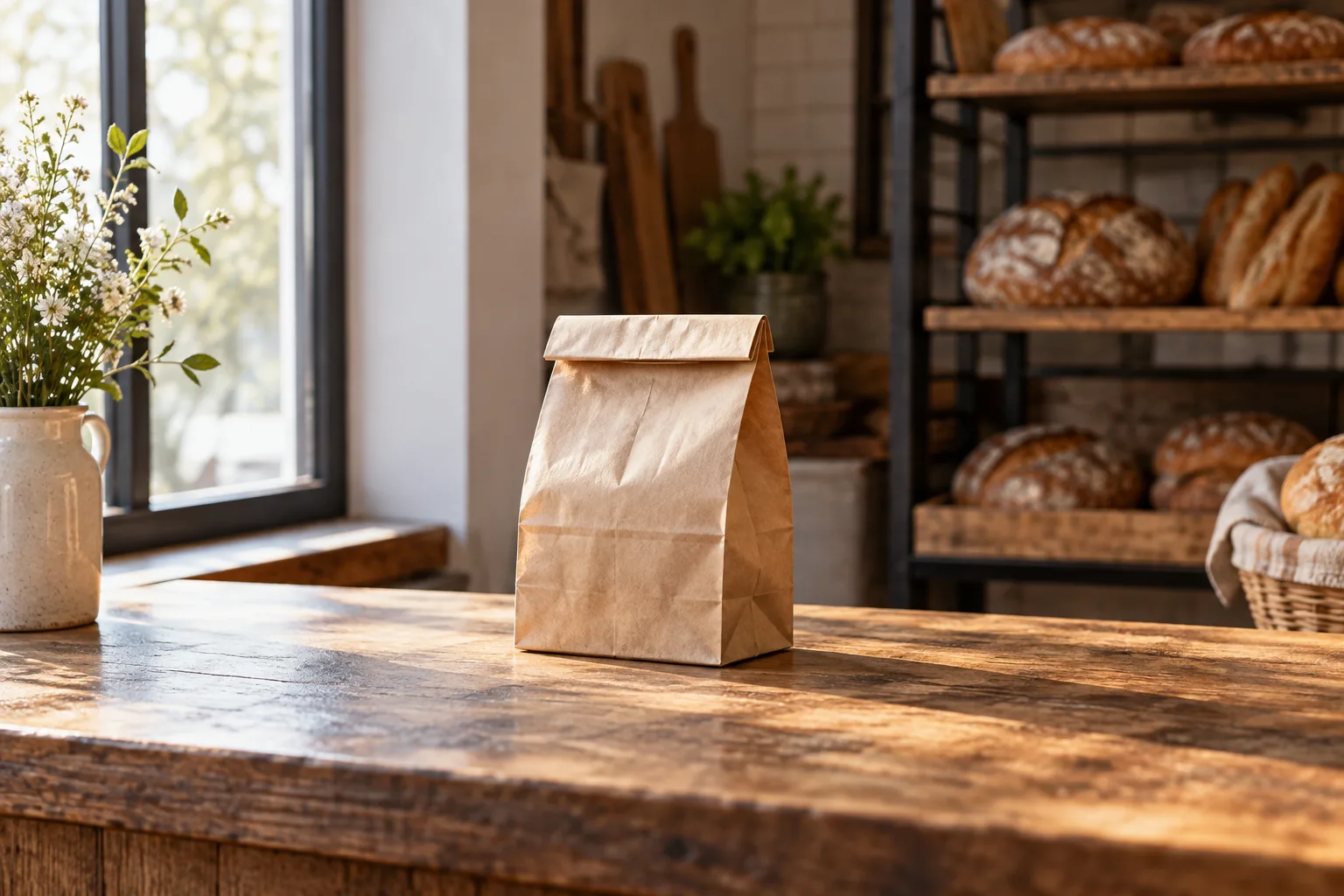
Every Friday for three weeks, a small paper bag appeared on the bakery counter before opening. It was empty, folded twice at the top, and marked with three neat pinholes near the base. Lina first assumed her father had left it there while unpacking supplies. He said he had not bought that narrow size since they stopped selling the little seeded rolls.
There was no sign of a break-in. The bags arrived during the half hour when Lina’s father opened the side door for flour deliveries. Anyone from the shared courtyard could have set one down. Nothing was missing, and the cash drawer stayed locked. The mystery was modest enough to be funny, except that somebody clearly expected the bags to mean something.
Lina unfolded the latest one under the window. Flour dust clung inside a crease, and the bottom seam had been repaired with a strip of blue paper. Her father recognized the blue immediately: it matched the labels they once used on special orders. He remembered a customer who asked for six small rolls every Friday, but not the customer’s name.
The old order notebook was stored above the office cupboard. Its pages were crowded with names, crossed-out quantities, and instructions about doorbells. On one Friday page, Lina found “six small, no seeds” beside a sketch of three dots. The new bags seemed to be repeating an old order with the words removed.
Three holes and a missing name
The notebook entry had no surname, only “workshop.” Lina walked across the courtyard to the repair shop, where Tomas was replacing a chair leg. He recognized the order but laughed at the suggestion that he had been leaving empty bags. The rolls had gone to his aunt’s sewing class in the upstairs room. She used to collect them before the students arrived.
His aunt, Eva, had retired and moved away. Tomas still kept her sewing equipment in a cupboard. Among the patterns was a bundle of narrow paper bags, each pierced near the bottom. Lina expected a hidden message when he spread them out. Instead, the holes lined up exactly with three stitches shown on a beginner’s practice card.
Eva had used leftover bakery bags to teach children how to guide a needle through prepared holes. The blue patch reinforced the paper where a student had torn it. That explained the marks, but not the new deliveries. Tomas checked his messages and found that Eva had recently sent the equipment to a former pupil who wanted to restart the class.
The pupil was Nessa, the quiet woman who had rented the courtyard studio that month. Lina knocked and found her arranging chairs around a long table. A bundle of bags sat beside a spool of blue thread. Nessa looked relieved rather than caught. “I was hoping your father would remember,” she said, and then admitted that she should have written a proper note.
A better way to ask
Nessa had been one of Eva’s students. She remembered the bakery rolls arriving in the same bags they later used for sewing practice, and had imagined that leaving a sample would be a charming way to revive the arrangement. She had not realized how many people had worked at the bakery since then, or that Lina’s father remembered the food order but never saw the lessons.
The empty bags were a request without enough context. Nessa apologized for leaving them during delivery hours and showed Lina the class plan. She wanted to buy simple rolls for the first session and wondered whether the bakery had spare clean paper for practice. She had been nervous about asking for a favor before anyone in the courtyard knew her.
Lina proposed two separate orders: food in fresh bags, and unused packaging offcuts for the craft table. Her father agreed to bake the small plain rolls again for the opening class. Nessa wrote down the quantities, collection time, and her phone number. The practical details felt less mysterious than pinholes, but considerably kinder to everyone trying to understand them.
On Friday the counter held a full bag with a clear name on it. Later, Lina visited the studio and found children carefully making their first stitches through paper. Nessa had framed one of the old blue-patched bags beside Eva’s photograph. Its purpose was finally visible: not a secret code, but the memory of someone who made a difficult skill feel possible.