The part a photograph cannot show
Understanding a volcano also requires evidence that a visitor cannot simply see in its outline. The USGS Cascades Volcano Observatory describes monitoring across several disciplines, including earthquakes, ground deformation, and volcanic gases. A change in the surface's position and a change in gas output offer different kinds of information. Neither is a literal window into the entire underground system.
The breadth of that work is visible in the USGS monitoring recommendations first published in 2024. The report includes chapters on seismic techniques, ground deformation, gases, surface changes, and other measurements. The point is not that every instrument answers the same question more expensively. Different observations help constrain different processes. Putting them together supports interpretation, while a single unusual signal still needs context.
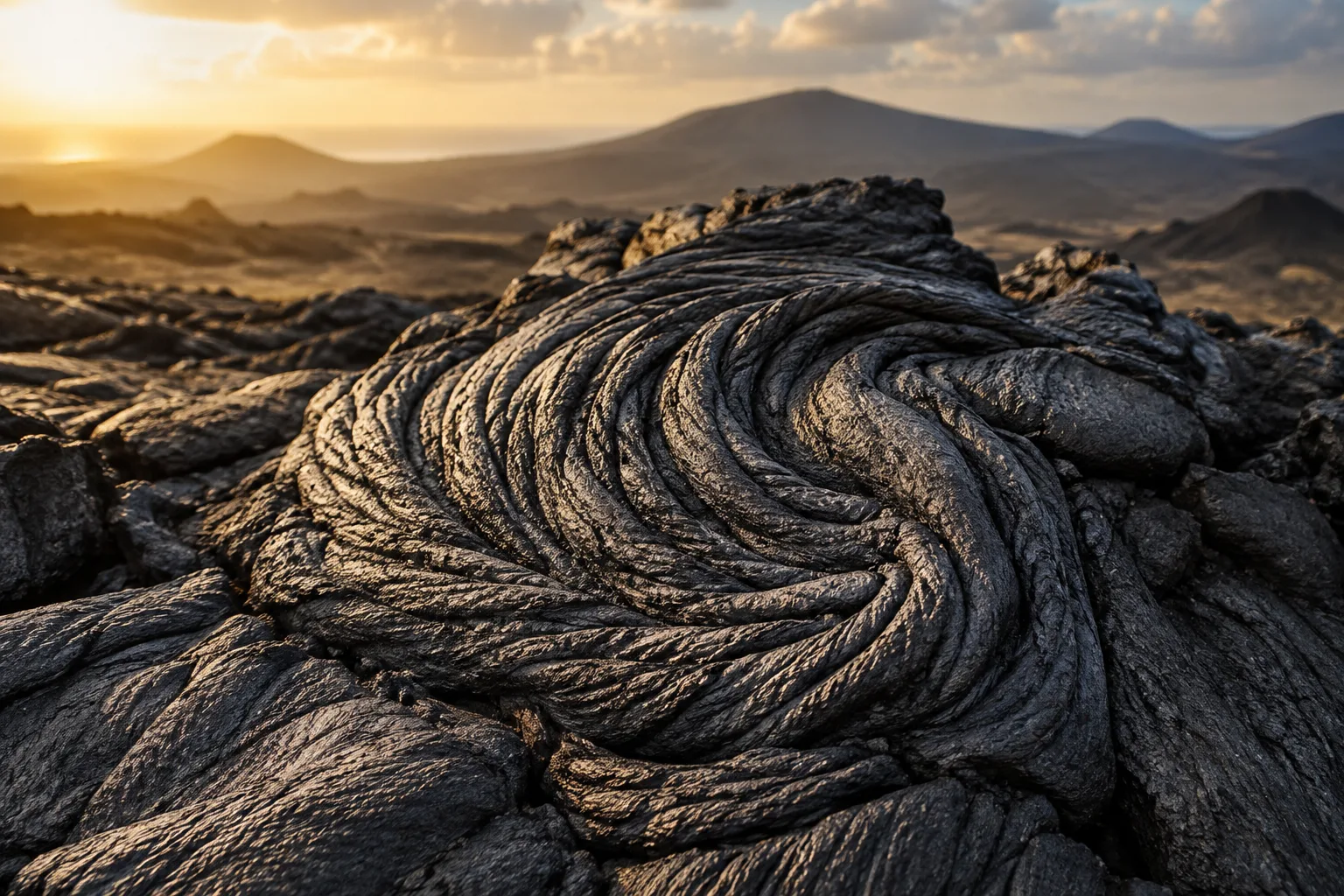
Return to the simple cone drawing. It remains a perfectly good symbol, but it no longer has to do all the explanatory work. The shape records accumulated material; the fragments reveal processes; measurements help scientists investigate change. Those are three different ways of reading the same system. The payoff is a more interesting volcano, even in a quiet landscape photograph. Instead of waiting for the most dramatic moment, we can ask what the existing rock and the ongoing measurements already reveal. The mountain is the visible part of a story, and learning to read it means leaving room for the parts outside the frame.
All 3 chapters
Sources & further reading
Checked . Explanation and commentary are original; factual claims draw on these primary sources.