The shape can outlast the original material
A shell-shaped fossil need not consist of the shell material an animal originally produced. NPS describes several routes by which form and material can become separated. In permineralization, minerals enter and fill natural pores. In replacement, new mineral material takes the place of original hard parts that have dissolved. Those processes can preserve useful detail while changing what the specimen is made of.
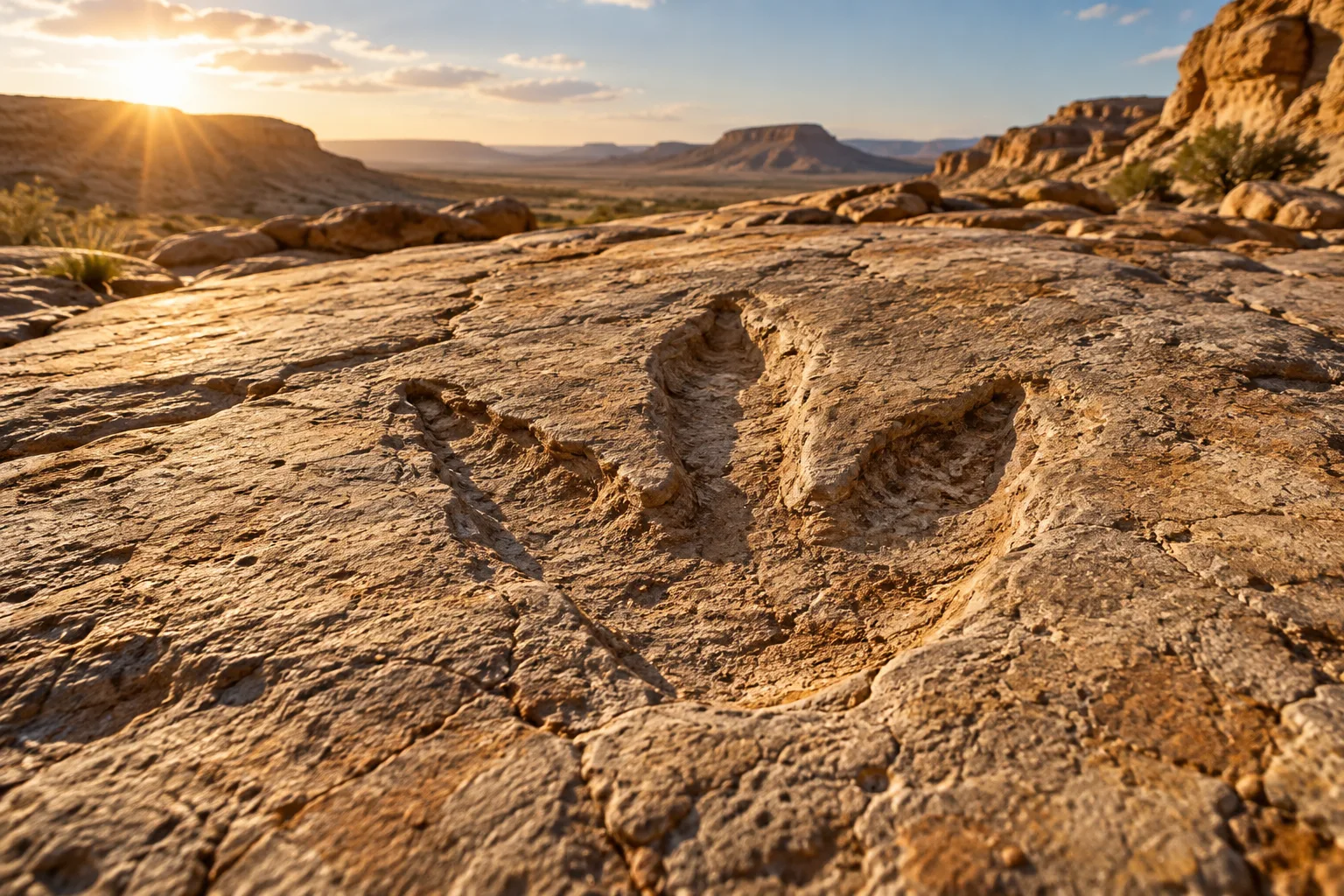
A mold and a cast offer a different pair of possibilities. An external mold preserves an impression of an object's outer surface. If material fills a natural mold, it can produce a cast. The distinction is easier to picture with a hollow shape and its solid counterpart than with the assumption that every fossil is simply an unchanged object buried in stone.
These terms describe preservation, not a ranking of scientific value. A cast is not automatically uninformative because the original shell is absent. Nor does mineral replacement mean that the preserved shape has nothing to say. The question is which details survived, how they survived, and what interpretation those details can support.
This also explains why a resemblance alone is a starting point rather than a conclusion. NPS notes that mineral patterns and ripple marks can look interesting without being fossils. Evidence of life must be distinguished from shapes produced by physical processes. The useful habit is to ask two questions separately: what made the original feature, and what happened to it afterward?
All 3 chapters
Sources & further reading
Checked . Explanation and commentary are original; factual claims draw on these primary sources.