A finished object can open a new investigation
A ceramic object may be finished for its maker without being finished as evidence. Getty’s Athenian Pottery Project used archaeological shards to guide replication experiments with refined clay. Researchers controlled temperature and atmosphere while examining both appearance and microscopic structure. The aim went beyond producing something that merely looked convincing beside an ancient fragment.
That approach matters because a similar-looking surface can tempt us to stop asking questions. A close visual match is useful, but it is not automatically a complete reconstruction of the manufacturing process. The research considered properties too small to judge casually with the eye. An object’s history can be carried at several scales at once.
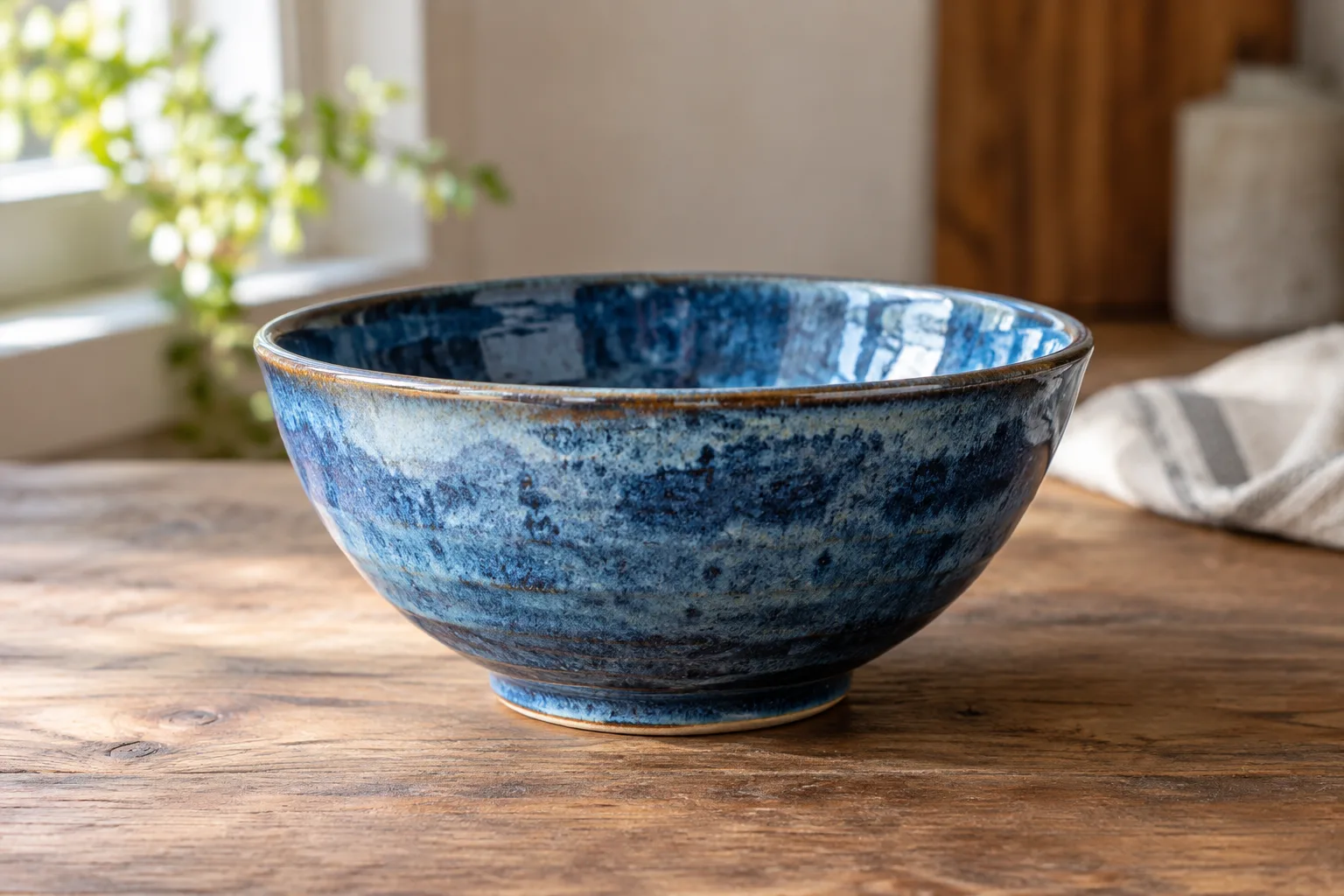
Think of the workshop bowls again. At first the puzzle depended on something you could not safely decide by glancing at them: whether firing had changed the material. The research example extends the same lesson. Looking is a beginning. Comparing materials, processes, and measurements can turn a plausible account into a more carefully tested one.
The payoff is not a secret trick for reversing pottery. The original soft clay cannot be recovered merely by soaking the fired bowl. Instead, a useful transformation has traded one set of possibilities for another: a reshapeable material has become an object that can be used, studied, preserved, or repurposed. The bowl’s firmness is only the most obvious part of that story.
All 3 chapters
Sources & further reading
Checked . Explanation and commentary are original; factual claims draw on these primary sources.